
Could CROSSED really prove that even horror’s most uncompromising nightmares can be given the full weight of commercial cinema without being tamed?
Obsession and Backrooms broke box-office records in 2026, revealing a very real appetite for ambitious horror that trusts its audience. But perhaps their full impact is yet to be revealed.
Barker and Parsons' films may have been an incantation. The doors they opened have not been closed.
Somewhere beyond them, increasingly fearless filmmakers have started to realise what might now be possible. Stories once considered too depraved, too confronting or simply too dangerous for commercial cinema suddenly have a portal into the human realm.
And something far more savage, twisted and uncompromising is already moving towards the opening.
Its name is CROSSED.
SOMETHING IS HAPPENING
You wake suddenly in the middle of the night.
No sound. No movement. Nothing out of place.
But you're wide awake. Heart racing.
Every sense sharpened.
Something has disturbed you.
You don’t know what it is.
You only know that something is wrong.
The name of that disturbance is CROSSED.
SOMETHING HAS SHIFTED
Imagine waking up tomorrow to discover that horror has changed.
Not gradually. Not by reinventing another familiar franchise.
Something more fundamental.
One of the most depraved, twisted and relentlessly savage stories
ever committed to the page is being adapted for the screen.
For nearly eighteen years, Crossed has occupied a peculiar place in
horror. A nightmare so notorious that the idea of bringing it to the screen had become almost as disturbing as the material itself.
Its apparent impossibility had become part of its identity.
You might reasonably wonder whether such a project could ever get made.
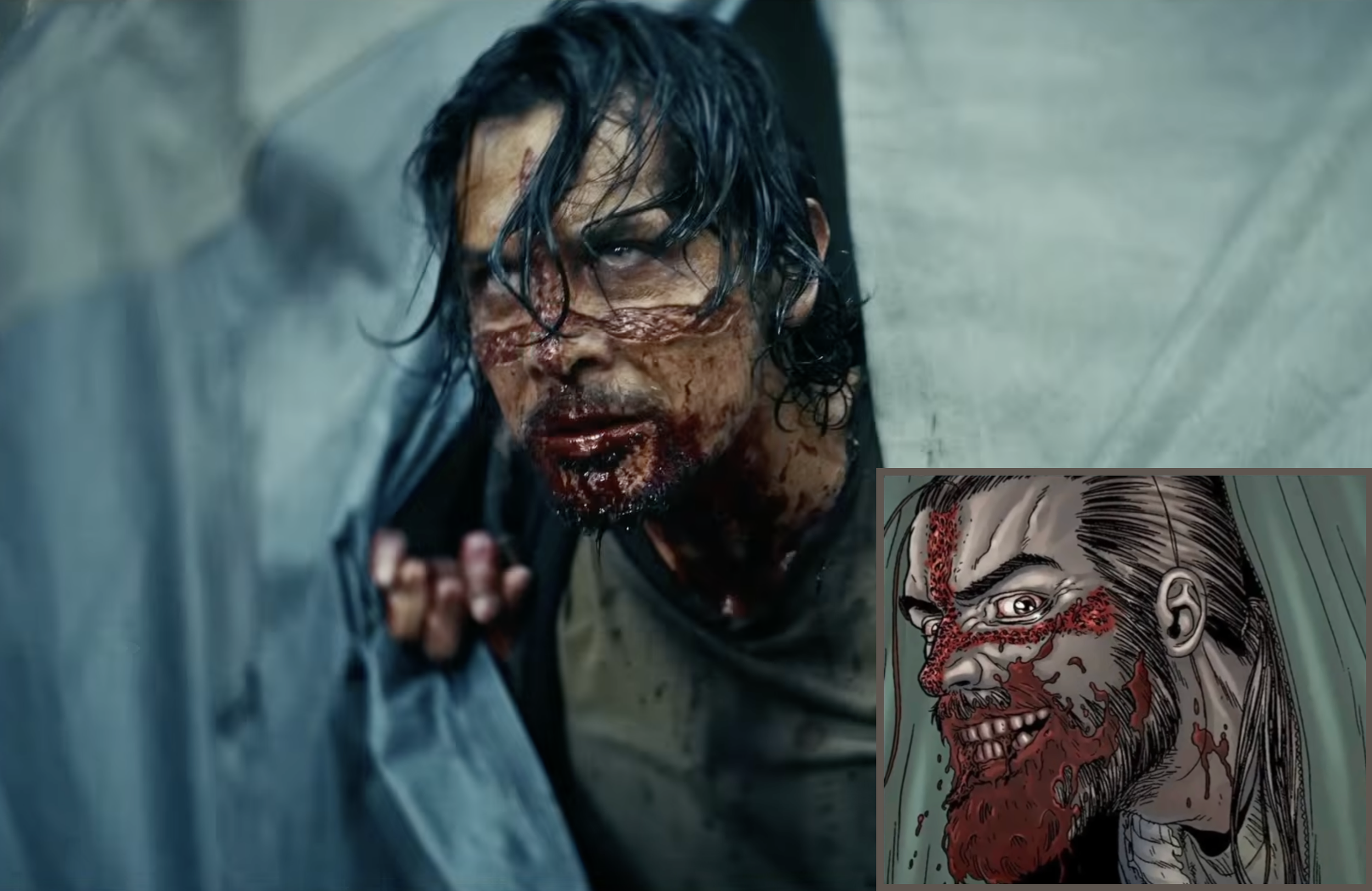
Except there's already a teaser.
The images are moving. The characters have faces. A nightmare once confined to ink and paper is acquiring the familiar machinery of a movie.
A director. A screenplay. A cast.
And at the centre of it, a story that seems almost designed to make audiences regret buying a ticket.
Of course, a teaser can promise almost anything. It cannot tell us how much of the original nightmare will survive an entire feature.
But something that once seemed improbable has begun to look alarmingly real.
Something has changed. The question is how much.
A DIFFERENT KIND OF INFECTION
The nightmare began in 2008.
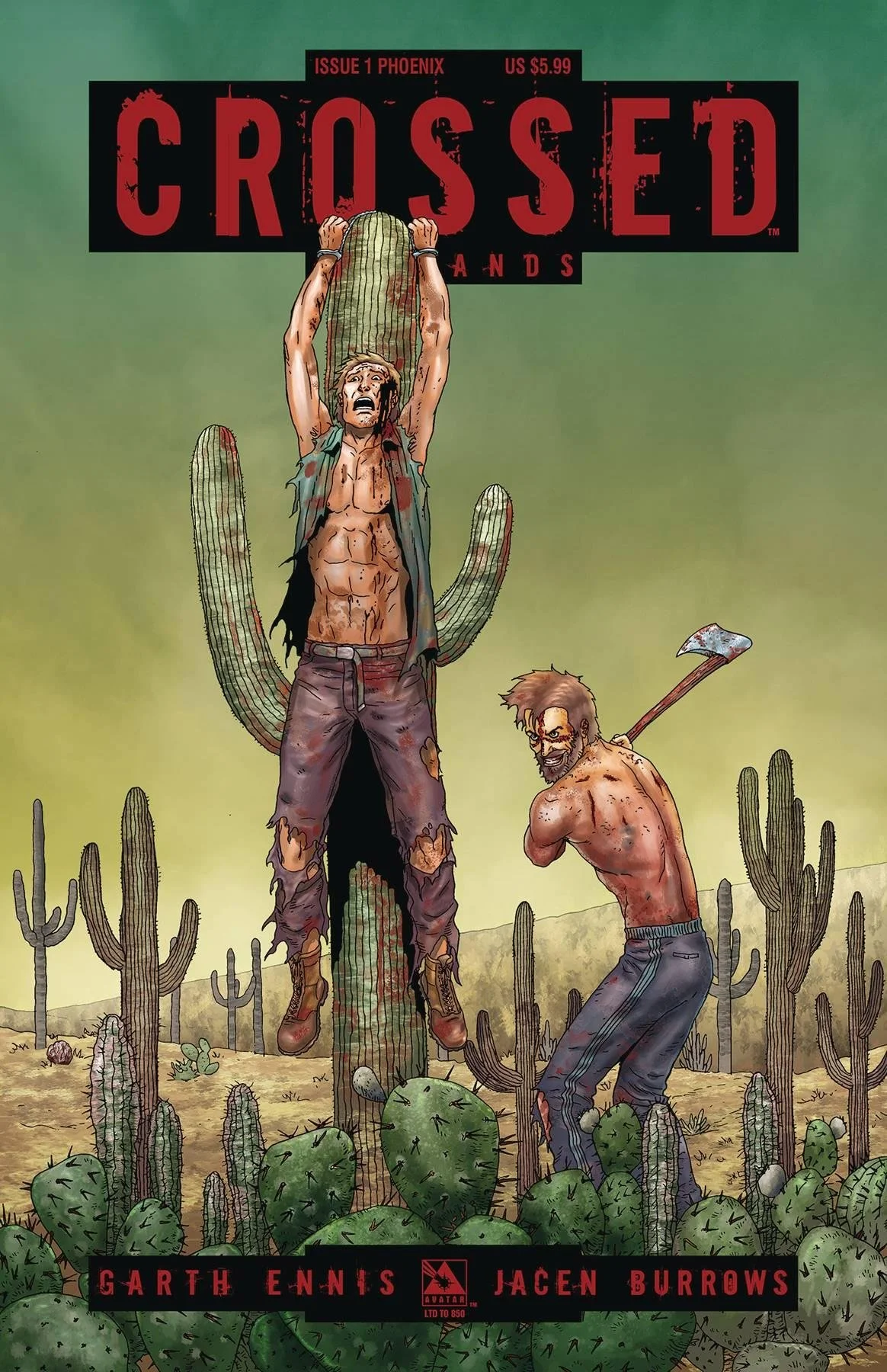
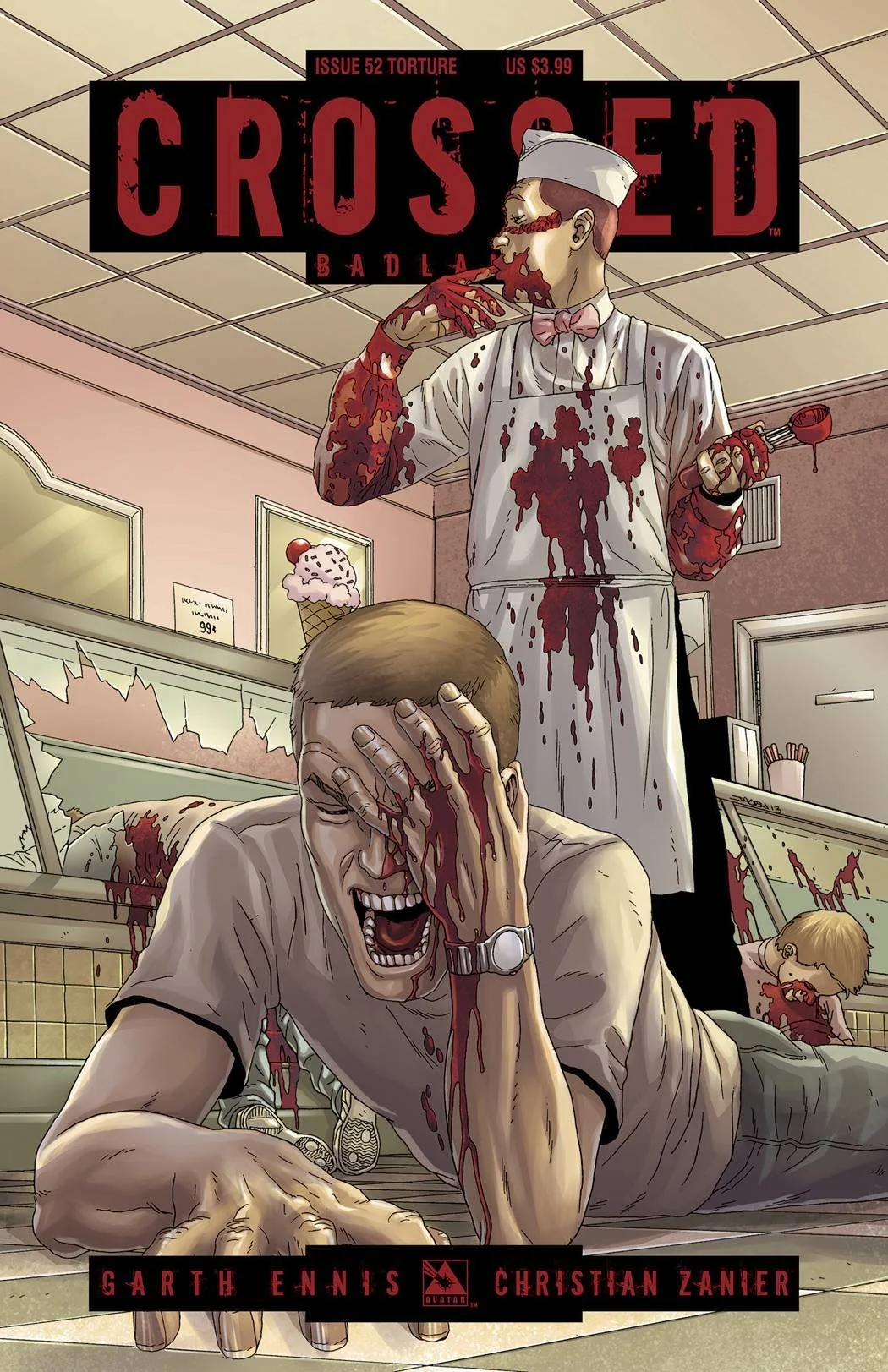
That's when Garth Ennis and Jacen Burrows introduced readers to Crossed — a world in which a mysterious infection doesn't simply destroy humanity.
It removes the restraints that make us human.
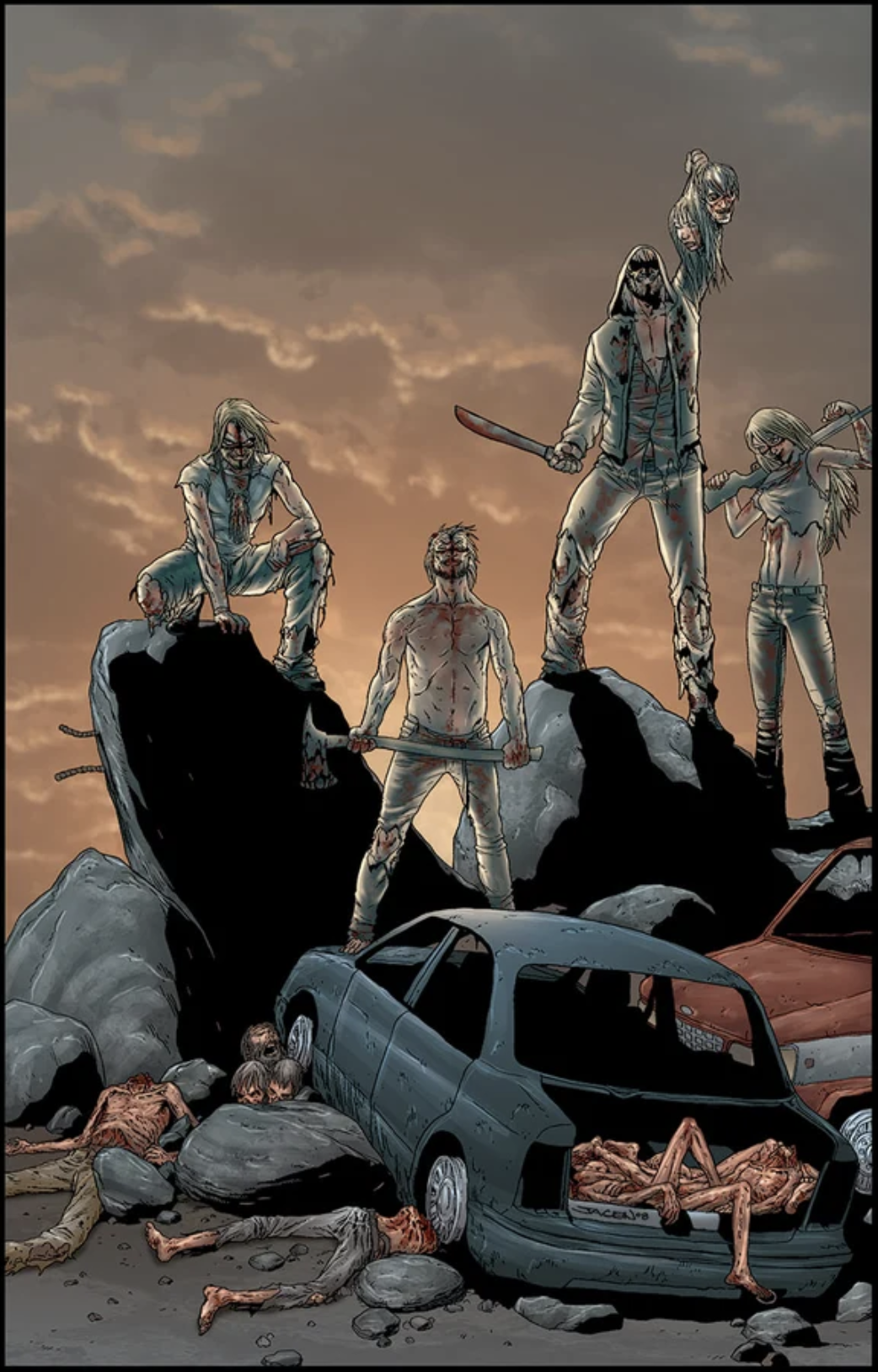
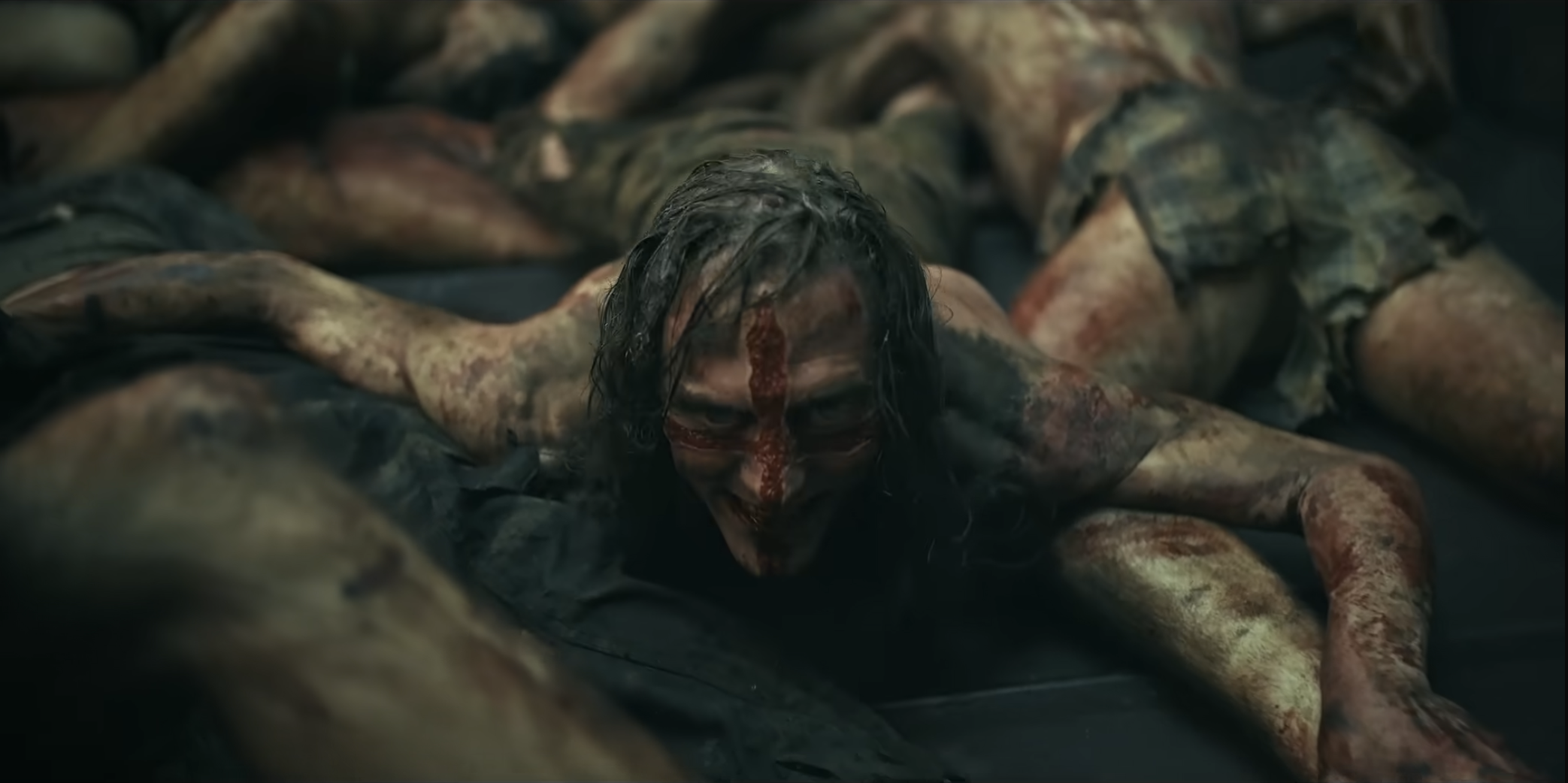
The infected retain their intelligence. Their memories. Their ability to reason.
What disappears is the barrier between their darkest impulses and the freedom to act upon them.
These aren't mindless creatures driven by hunger.
They can recognise people they once loved, exploit vulnerabilities, anticipate fear and devise cruelties with deliberate precision.
They don't simply attack.
They choose.
That deliberate cruelty has made Crossed notorious for its depictions of murder, torture, sexual violence and atrocities that seem calculated to violate every expectation of human decency.
But its most disturbing proposition lies beneath the spectacle.
What if the infection doesn't create the capacity for such cruelty?
What if it simply removes whatever normally holds it back?
The infected are frightening not because their humanity has vanished entirely—but because so much of it remains.
THE PEOPLE WHO HAVEN'T CHANGED
A stranger approaches your shelter. They're frightened. Exhausted. Perhaps injured.
Under ordinary circumstances, you'd help them.
But you don't know if they're infected.
You don't know if they're being followed.
Or if their distress is genuine or part of a trap.
Opening the door might save a life. It might condemn everyone inside.
So what do you do? What happens to you after you've made that decision a hundred times?
The infected have abandoned the restraints that make civilisation possible. The survivors may have to surrender some of those same principles simply to stay alive.
That doesn't make them morally equivalent. There's an enormous difference between taking pleasure in cruelty and being forced into terrible choices by the threat of it.
But the distinction becomes painful to maintain.
The infected are horrifying because they no longer care about the difference between right and wrong. The survivors are horrifying because they still do.
But sometimes, caring isn't enough.
The apocalypse doesn't merely threaten to kill you. It threatens to leave you alive long enough to discover what survival has made of you.
That's a considerably more difficult nightmare to translate into cinema than a collection of outrageous images, which makes the choice of director particularly intriguing.
THE MAN WHO CAME BACK FOR MORE
In 2021, Rob Jabbaz unleashed The Sadness, a Taiwanese horror film in which an outbreak turns ordinary people into sadistic predators.
Its infected aren't shambling corpses. They understand terror. They take pleasure in creating it.
And The Sadness drew inspiration from Crossed itself.
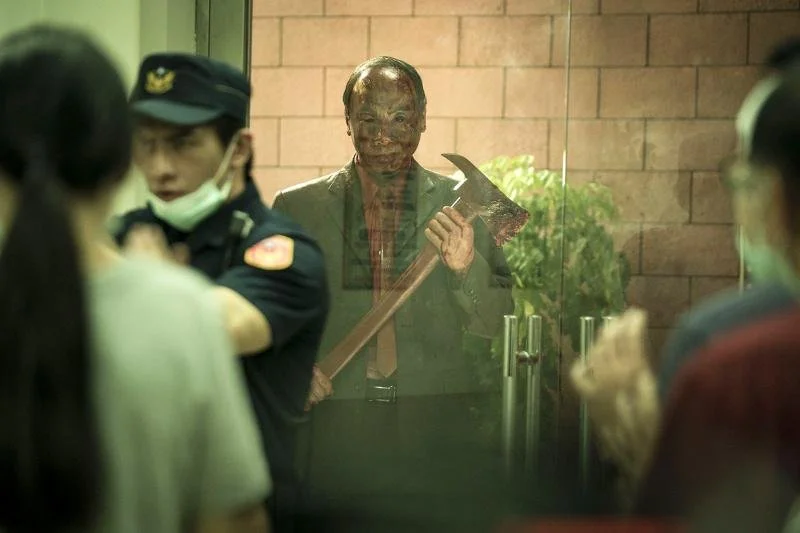
Before inheriting the nightmare, Rob Jabbaz was already infected.
So Jabbaz's involvement is considerably stranger than a director finding his next project.
It's a return to the source of an earlier nightmare.
He has already demonstrated that he can make this kind of horror savage. With Crossed, savagery is almost the minimum expectation.
The obvious temptation would be to escalate: more violence, more grotesque imagery, more scenes designed to make an audience recoil.
But the more interesting opportunity is to make the infected's intelligence more frightening — and the survivors' decisions more unbearable.
The filmmaker who once borrowed from CROSSED has now been handed the original infection.
And he isn't confronting it alone.
Garth Ennis has written the screenplay, drawing from the original ten issues he created with Jacen Burrows.
The original creator's involvement doesn't guarantee a faithful adaptation. But it creates an intriguing partnership between the imagination that built this nightmare and the filmmaker tasked with making it breathe.
And bringing it to life changes something fundamental.
On the page, the reader controls the encounter. You can hesitate before turning a page. Look away from an illustration. Allow your imagination to fill the space between panels.
Cinema takes much of that control away.
Movement, sound, performance and editing determine the duration of what you witness.
The comic gives readers the terrible freedom to turn the page. The film decides when they're allowed to look away.